
AWARD-WINNING MUSIC AGENCY | MUSIC SUPERVISION | COMPOSITION | SOUND DESIGN
Binaural
Do you want to hear the difference?
Lately, we’ve been experimenting with new ways to deliver our message and evoke emotion through sound and music.
Ambisonic technology and binaural reproduction have been around for years, but certain limitations have kept them from going mainstream. Today, thanks to VR audio, gaming, and cinematic sound design, they are being used more frequently—though they have yet to become the industry standard. We’ve explained why in more detail below, in case you’re interested.
For now, we simply want to share these binaural experiences with you, so you can enjoy the magic of sound as immersive as reality itself.
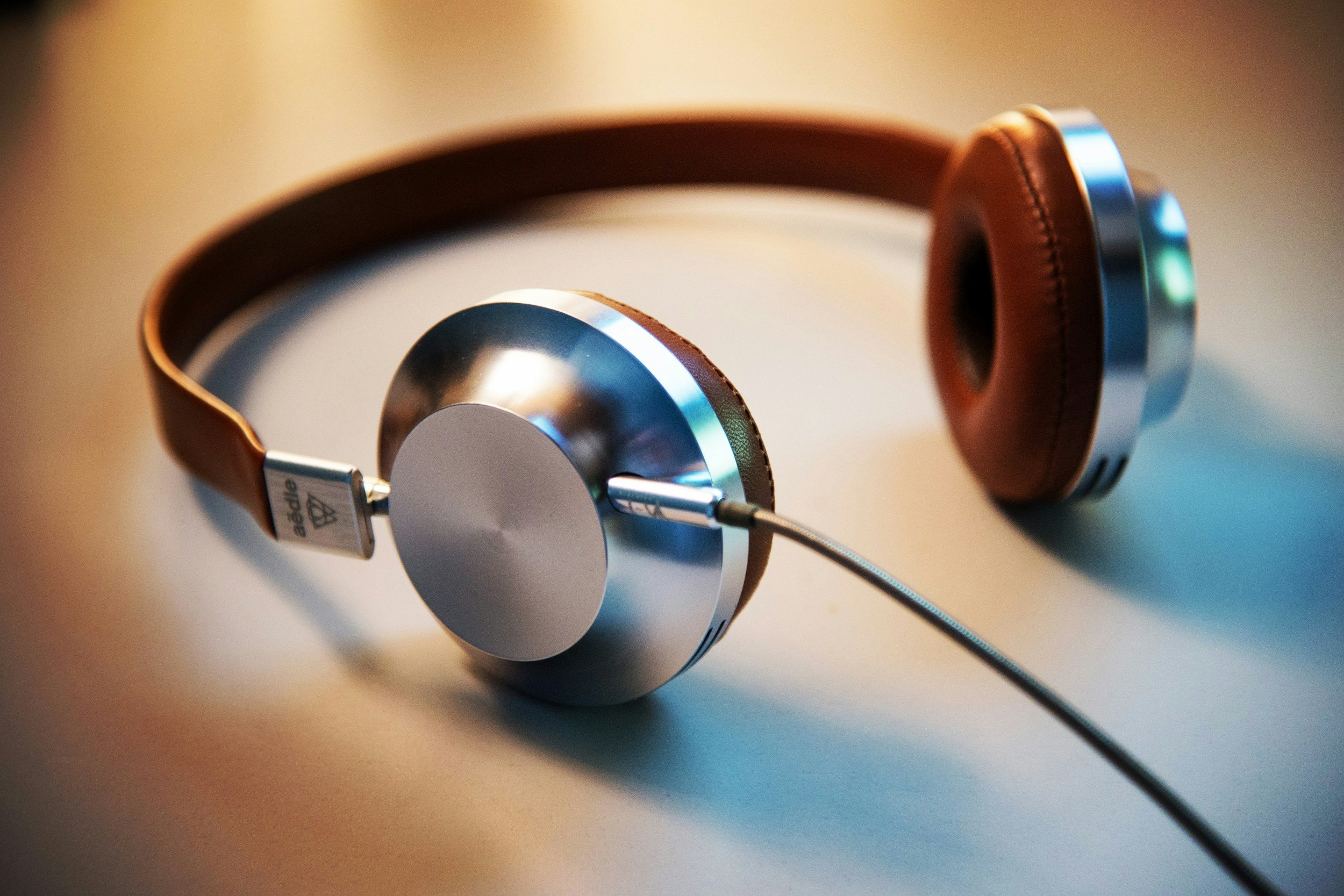
🎧Using headphones is essential, as binaural technology is designed specifically for them. Without them, you will likely experience phase issues and other sonic artifacts, which can cause the sound to feel strange and lose its 3D immersive quality.
Please, don’t “cheat” yourself by waiting until later! If you listen without headphones now, it will sound like a standard recording—but the experience completely transforms the moment you put them on. 🎧
🎧 THE OLD COWBOY 🎧
If you’re looking for something similar for your next project, trailer, or simply want to deliver your message in a truly original way, feel free to get in touch.
The Binaural Experience
Curious for more?
Binaural Audio: Origins and Evolution
The Origins
Binaural audio is much older than you might think, dating back to 1881 in France. Inventor Clement Ader created the Théâtrophone, a system that used pairs of telephone transmitters at the Paris Opera to send separate signals to each of the listener's ears via a headset.
The Goal
The core objective of binaural technology has always been biological mimicry.
The Mission: To capture and reproduce sound exactly as the human head perceives it.
The Difference: Unlike standard stereo—which creates a "flat line" between two speakers—binaural audio aims to recreate a 3D "bubble" of sound. This allows the listener to perceive height, depth, and 360-degree directionality using only two channels.
Key Milestones
1930s: Researchers began defining the HRTF (Head-Related Transfer Function), the mathematical "filter" our unique anatomy applies to sound.
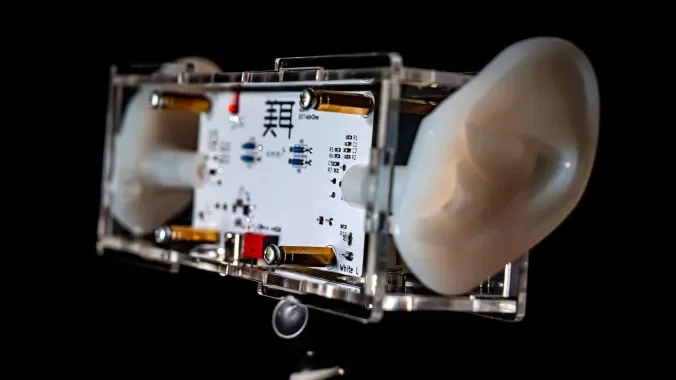
1973: Neumann released the KU 80, the first commercially successful "Dummy Head" microphone. It featured a lifelike human head design with microphones embedded inside the ears.
Present Day: This technology is now the backbone of Spatial Audio for Apple, Sony, and Dolby Atmos. Digital processing now allows any standard surround sound mix to be transformed into a 3D experience optimized for headphones.
Why It’s Not (Yet) 100% Perfect
Despite its brilliance, binaural audio faces challenges due to Anatomical Variance:
Unique Ear Shape: Every person has a unique ear shape (pinna), head size, and shoulder width. A recording made with a "standard" dummy head might not perfectly match your specific anatomical filters. If the match isn't precise, the 3D effect can feel "blurry."
Front/Back Confusion: Because our ears are symmetrical, the brain can struggle to distinguish if a recorded sound is directly in front or directly behind us without the ability to move our heads.
Static Limitations: Traditional binaural recordings are "baked in." If you turn your head, the entire 3D world turns with you, which can break the immersion. Achieving true realism requires Dynamic Head-Tracking to keep sounds fixed in virtual space.
Thanks for your time
Do you want to enjoy it again?